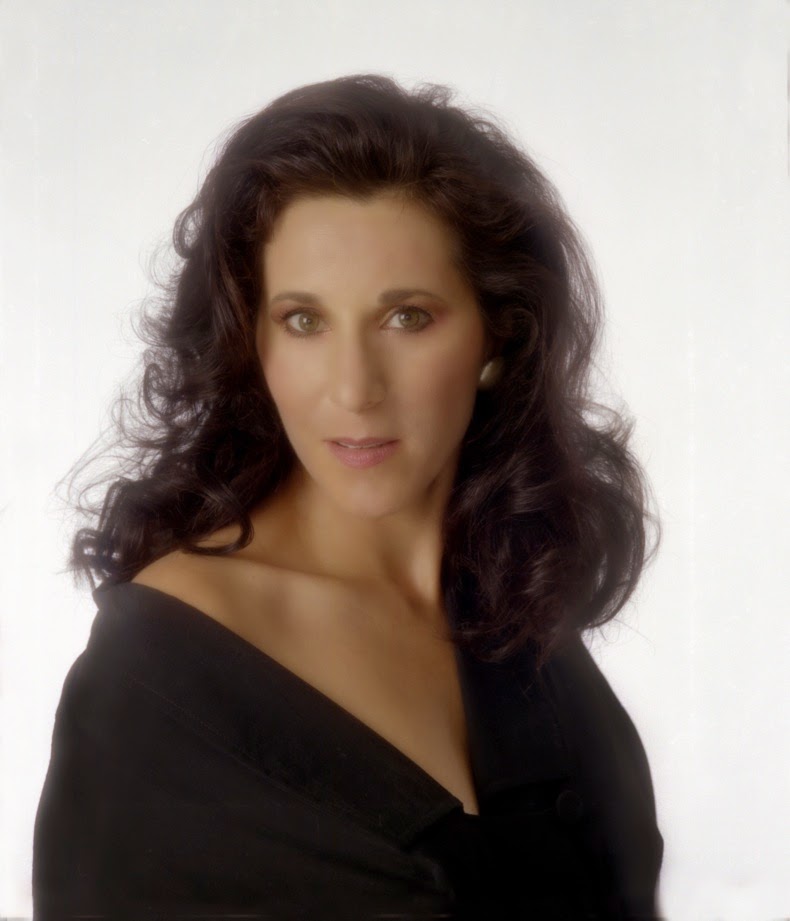
Name: Barb Caffrey
Book Title:
CHANGING FACES
Bio: Barb Caffrey
is the author of CHANGING FACES and the Elfy duology (AN ELFY ON THE LOOSE and
A LITTLE ELFY IN BIG TROUBLE), and her short stories have been featured in
GIFTS OF DARKOVER, STARS OF DARKOVER, FIRST CONTACT CAFÉ, HOW BEER SAVED THE
WORLD, and BEDLAM'S EDGE (with late husband Michael B. Caffrey). She's also a
clarinetist with a Master's degree in Music performance from the University of
Nebraska-Lincoln, and a Bachelor's in Music from the University of
Wisconsin-Parkside.
Amazon Link to Book:
http://www.amazon.com/dp/B01N3CQKWJ/
Questionnaire:
Thanks for letting
us interrogate you! Can you give us a
go-for-the-gut answer as to why you wanted to be an author?
BC: Thanks for
having me!
BC: As for wanting
to be a writer…hm. My gut answer is that early on in my life, I realized I had
stories to tell. (As in, I was ten years old. And the story I wanted to tell
was about the first female ball girl at Milwaukee County Stadium. No, they
didn't have ball girls then—which is why I wanted to write about it.) I felt
compelled to write and to create, as it helped me make sense of the world
around me.
Tell us (we won’t
tell promise!) is it all it’s cracked up to be?
I mean what are the perks and what are the demands?
BC: I'm not sure
what your image of a writer is, mind, but I'll tell you what my experiences
have been if that helps.

BC: I started
writing in earnest in my late twenties, and for the University of Wisconsin-Parkside Ranger News. I wrote opinions,
feature stories, book and music reviews, you name it. And I enjoyed it.
BC: Because of
this, I went to the University of Nebraska-Lincoln and inquired about writing
for their student newspaper also, the Daily
Nebraskan. I think they were a bit bemused; here's this thirty-year-old
collegiate Master's student in Music, of all things, wanting to write for them.
But eventually I won over the managing editor, and started writing opinions for
them. After a while, I also wrote music reviews, stories about upcoming musical
acts…the folks in the Music department called this my "second
career," and said I helped get the word out better than anyone else had in
quite some time.
BC: Then, of
course, a different managing editor came in, with different priorities. My
writing went on the back burner again for a few years, but I didn't forget
about it.
BC: As for fiction
writing, I'd done some of that off and on since early childhood (as I'd said
before). But once I was through with the majority of my Master's program, I
started writing fiction again. Most of the stories were dreck, but a few had
sparks of…something. So I kept going, kept trying, and kept working on it.
Because writing, like any creative pursuit, is a demanding mistress if you're
going to do it well—and I definitely hope to do it well.
BC: As for the
perks, I have met some of my favorite writers, either online or in person, and
had in-depth conversations with them. (That is a truly remarkable thing that I never
expected to happen.)
Which route did you
take – traditional or self-published – and can you give us the nitty gritty low
down on what’s that like?
BC: I am a hybrid
writer, in that I have some of my work self-published and some of it published
through a small press, Twilight Times Books. I looked around, hard, for a
publisher, and was fortunate to find Twilight Times Books in 2012; they are
reliable, reputable, and honest, and I appreciate what Lida Quillen brings to
the table as a publisher.
BC: But you're
probably asking, "So, Barb. Why, if you admire Lida Quillen so much, did
you self-publish the rest of your work?" It's simple, really…I'm also
trying to keep my late husband Michael B. Caffrey's work alive, and that means
I have to finish up what he started. Many of the pieces I've self-published are
co-written, and aren't the same as they would've been had he lived—but at least
they still exist this way. And that makes me feel better.
Tell us for real
what your family feels about you spending so much time getting your book
written, polished, edited, formatted, published, what have you?
BC: Well, when my
husband was alive, he appreciated the process of writing and editing. (He was
gifted at both.) But since his passing twelve years ago—just after our first
story was written and sold to the BEDLAM'S EDGE anthology—I haven't had that
type of encouragement or understanding around me.
BC: But you asked
what the rest of my family thinks of writing, publishing, etc. Mostly they are
bemused by it, with the exception of my niece, who is also a writer…she thinks
what I'm doing is wonderful. As for the rest of the family, they think it's a
lot of work for a tiny reward, and quite frankly don't understand it very much.
This is for pet
lovers. If you don’t own a pet, skip
this question, but do your pets actually get their food on time or do they have
to wait until you type just one more word?
BC: That's a tough
one! (Laughs.) My dogs mostly do get their food on time, but it's because about
an hour before they're usually fed, they come and put their heads on my lap,
and give me the big, huge, puppy-dog eyes. I usually am working away, and I
tell them, "It's too early!" But they keep coming back, and keep
nagging me, so they do tend to get fed on time.
This is for plant
lovers. If you don’t own a plant, skip
this question, but if you do, are they actually still alive?
BC: I've been
nurturing one plant now for several years; it was planted in remembrance of my
deceased Cocker spaniel, Blackie. I try to water it every couple of days, and
tell it that Blackie would be pleased…I'm sure that plant is quite bemused with
me, too! (Yes, I'm weird.)
In writing your
book, how did you deal with the phone ringing, your family needing dinner or
your boss calling you saying you’re late?
BC: I got annoyed
when anything took me out of the creative process, to be honest. It takes me a
while to be fully immersed in the worlds I create, and anything that gets in
the way of that feels like a full-on assault of the creative process. But after
my initial annoyance, I usually apologize, because it's not the fault of
whoever interrupted that I've picked this career (or it picked me, rather).
What was the
craziest or insane thing that happened to you in the book publishing process?
BC: I don't know if
this qualifies, but the day after my husband died, I received a rejection
letter for ELFY (which hadn't yet been split into the Elfy duology and was
still one book). The agent said she thought it was an interesting and
well-written book, but she didn't think she could do it justice. I found that
timing incredibly strange.
How about the
social networks? Which ones do you
believe help and which ones do you wish you could avoid?
BC: I am on
Facebook and Twitter. I think Twitter definitely helps; I've made many friends
via Twitter, and I appreciate them all. But Facebook is hit-or-miss for an
author, and sometimes it can be a "time suck." On the flip side,
Facebook does make it much easier for me to talk with friends and editorial
clients, and I appreciate that no end.
Book sales. Don’t you just love them (or lack of?)? How are you making the sales happen for you?
BC: I've tried a
number of things with regards to promotion. The ones that tend to do the best,
I've found, are either the low-cost promotions or when you're dealing with a
person who knows what she's doing.
BC: Mostly, it's
keep the wheel to the grindstone. I can't make sales happen, and shouting at
the world doesn't do much except give me a bad case of laryngitis. So I'll
concentrate on what I can control, which is writing, polishing, and editing…and
allow the sales to fend for themselves. (Except for the first few days after a
book has been released, that is; on those days, I check my author rankings
every few hours. Is that silly? Of course it is. But I haven't been able to
break myself of the habit just yet…)
What is one thing
you’d like to jump on the rooftop and scream about?
BC: I wish the
public schools cared more about reading and story-telling. Right now, they're
concerned more with getting kids through a rigid set of exams, and this whole
Common Core stuff scares me witless as it seems to take all the creativity out
of education. I worry very much that kids with a spark of creativity in them
are getting muzzled by contemporary education, even though I think individual
teachers try hard to keep that spark alive.
BC: I have a second
pet peeve, too, if you don't mind. And it's going to seem out of left field, so
please bear with me.
BC: I worry a great
deal also about the prevalence of texting, these days. People are always
online, in one fashion or another, and kids in particular start texting very
early. As I deal with carpal tunnel syndrome every day (I am considered
high-functioning, and haven't yet had to have surgery; I have had many rounds
of occupational therapy to keep my hands functional), I worry that these kids
are setting themselves up for hand and wrist and thumb problems down the road.
They have no idea what they're going to have to deal with in twenty or thirty
years, and that worries me because most people are not very forgiving when it
comes to long-term health issues—not even their own.
BC: What I'd like
is if people put down their phones, laptops, or other electronic devices for a
couple hours a day. Engage in conversations, read a non-electronic book, watch
something educational (no, Keeping up
with the Kardashians doesn't count), go walk outside in nature and revel in
the world…try to experience your first five senses before you dive back into
the Microsoft Cloud. I think taking a few hours away from electronic pursuits
not only will make you a better-rounded person, but it also may well ease your
stress—and it certainly will help your hands down the road, too.
Okay, too much
sugar for you today! Here’s a nice cup
of Chamomile tea and come on over and sit under the cabana and watch the waves
roll in. Now…can you tell us what you
love about being a published author and how all those things above doesn’t
matter because it’s all part of the whole scheme of things and you wouldn’t
have it any other way?
BC: Ooh, I love
chamomile tea! Thank you! (Sips tea, and ponders the question.)
BC: I think that
all in all, I'm glad I am who I am. I've had some rough times; the death of my
husband clearly marked me. But being with him was incredibly beneficial, and
I'd not trade those times with him for anything—even knowing the pain I was
going to be in afterward.
BC: The most
important thing in life, I've found, is in how you get past the pain in order
to be your most authentic, creative self. In writing CHANGING FACES, I found catharsis…but more importantly, I found
healing.
BC: And that, I
feel, is worth any price.